
- June 20, 2026
- Posted by: medconverge
- Category: Personality Development
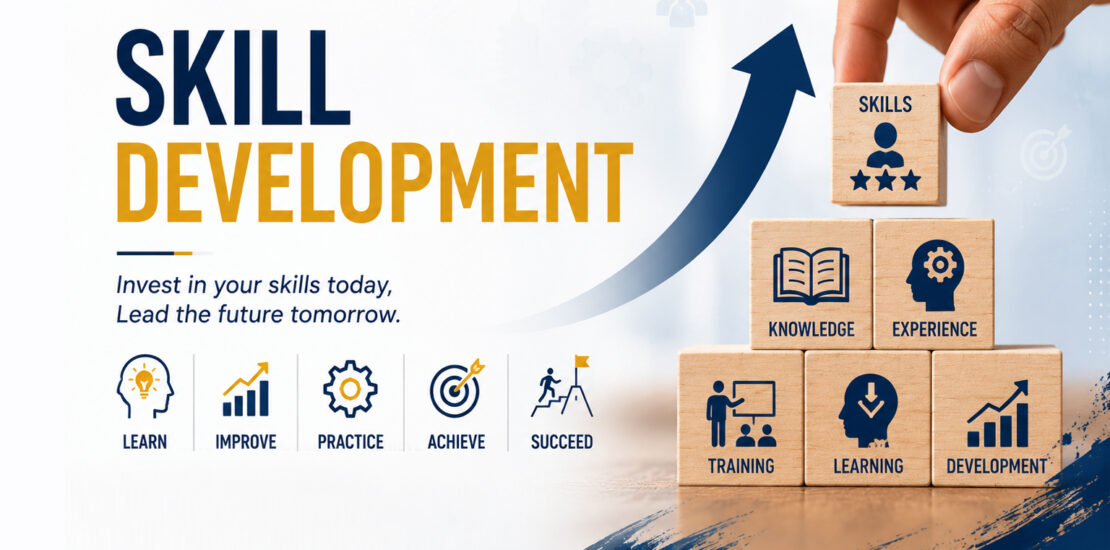
Learning Is Not an Event. It Is a Career Strategy.
There was a time when healthcare professionals could rely on a fixed set of skills for much of their career. Experience accumulated steadily, processes remained relatively stable, and expertise gained over several years could remain relevant for a long period.
That is no longer the reality.
The healthcare industry is evolving at a remarkable pace. Regulations change, technology advances, reimbursement models shift, and client expectations continue to grow. What was considered best practice a few years ago may now require refinement or, in some cases, complete rethinking.
In this environment, professional growth is no longer defined by years of experience alone. It is increasingly defined by a person’s willingness to learn, adapt, and develop new capabilities.
The professionals who continue to create value are not necessarily the ones with the longest tenure. They are often the individuals who make learning a consistent part of their working lives.
Communication Has Become a Core Professional Skill
Technical expertise remains important, but knowledge alone rarely guarantees success.
Healthcare organisations, clients, and teams rely heavily on effective communication. Whether explaining an issue, managing expectations, delivering feedback, or presenting solutions, the ability to communicate clearly can have a significant impact on outcomes.
Strong communicators build trust more easily. They reduce misunderstandings, strengthen relationships, and contribute to a more collaborative working environment.
As organisations become more interconnected and globally distributed, communication is no longer a soft skill. It is a business skill.
Critical Thinking Creates Better Decisions
Healthcare professionals are faced with complex situations every day. Not every challenge has a straightforward answer, and not every process works perfectly in every circumstance.
This is where critical thinking becomes valuable.
The ability to analyse information, identify root causes, evaluate options, and make sound decisions helps professionals move beyond simply following procedures. It allows them to solve problems effectively and contribute to continuous improvement.
Employers increasingly value individuals who can think independently, ask the right questions, and identify opportunities that others may overlook.
Process Improvement Benefits Everyone
Every organisation has processes that can be improved.
Some inefficiencies are obvious, while others become accepted simply because they have existed for a long time. Professionals who understand process improvement learn to question existing practices, identify bottlenecks, and recommend better ways of working.
Small improvements made consistently can have a significant impact on productivity, quality, client satisfaction, and financial performance.
The ability to improve processes is valuable in virtually every healthcare function, from clinical operations to Revenue Cycle Management.
Industry Knowledge Must Be Continually Refreshed
Healthcare is one of the most heavily regulated and rapidly changing sectors in the world.
New payer requirements, compliance standards, technology platforms, and operational expectations emerge regularly. Staying informed is no longer optional for professionals who wish to remain effective in their roles.
Continuous learning helps individuals remain confident in their decision-making and ensures they can respond appropriately to industry changes rather than reacting after problems arise.
Knowledge quickly becomes outdated if it is not maintained.
Client Management Is Becoming Increasingly Important
Many healthcare professionals now work in environments where client interaction forms a key part of their role.
Clients expect more than task completion. They want responsiveness, professionalism, transparency, and solutions that help them achieve their objectives.
Managing client relationships requires a combination of communication, problem-solving, business understanding, and emotional intelligence.
Professionals who can consistently deliver a positive client experience often become invaluable to their organisations.
The Professionals Who Thrive Are the Ones Who Adapt
Career growth rarely happens by accident.
The most successful professionals take ownership of their development. They actively seek feedback, learn from challenges, stay informed about industry trends, and invest time in building new skills.
They understand that learning is not something reserved for training sessions, certifications, or annual development plans. It is a daily commitment to becoming more effective than they were yesterday.
The healthcare industry will continue to evolve. New challenges will emerge, and expectations will continue to rise.
Those who embrace continuous learning will not simply keep pace with change; they will be well-positioned to lead it.
Because learning is not an event.
It is a long-term career strategy.